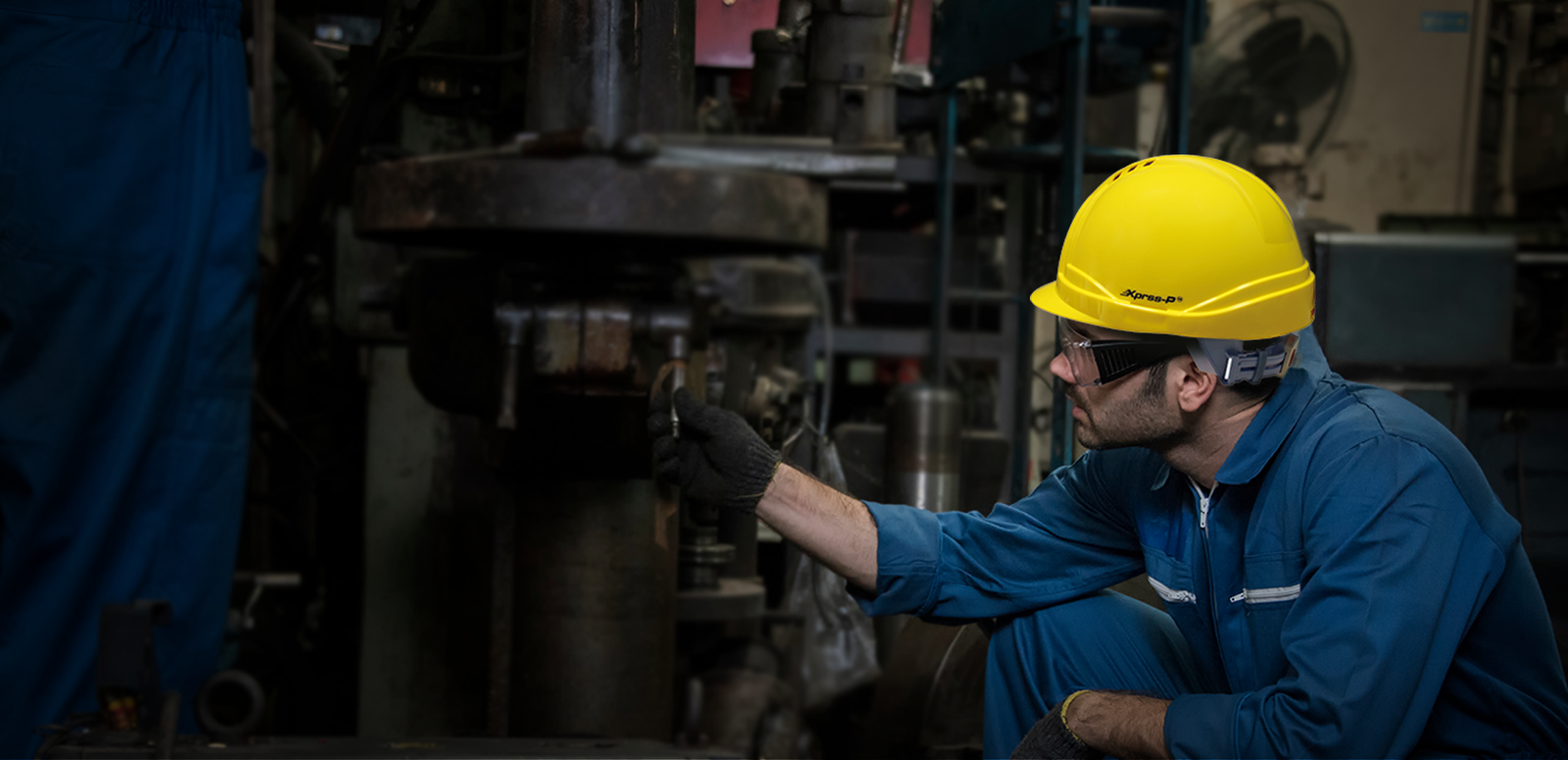
Head protection is one of the core elements of physical safety for workers in India, when it comes to environments where injuries are a possibility. Whether you are working in construction, electrical work, or handling goods in a warehouse, a great safety helmet gives you the protection you need to reduce head injury risks.
Perf offers durable and adjustable safety helmet types that prioritize comfort and exceptional protection. This blog covers the most widely used helmet types, classes, and protection standards you need to know in order to choose the right one for your needs.
Safety Helmet Types Based on Industry Standards
Before you buy a safety helmet, you must ensure that it complies with the global or national safety standards to ensure that it’s been properly tested before you take it out in the field. Here are the most prominent industrial standards for safety helmets:
- EN 397: This is the European standard for industrial safety helmets. It covers impact protection and resistance to penetration. Under EN 397:2025, electrical insulation is addressed separately through EN 50365:2023, and it is marked separately on the helmet
- IS 2925: This standard is specific to India. It specifies the design, material, and performance requirements for industrial safety helmets. Helmets certified to IS 2925 carry the ISI mark (BIS certification), which is required for government tenders and PSU projects in India.
- ANSI Z89.1: This is the US standard for industrial head protection. It specifies design, performance, and testing requirements, and sorts helmets by Type and Class.
Safety Helmet Types By Classification
In India, IS 2925 is the main standard for industrial safety helmets, but it does not group helmets by type or electrical class. These labels come from the American ANSI Z89.1 standard, and many multinational, oil and gas, and power sector sites in India use them in their safety requirements. Here is what they mean:
- Type I: Offers protection against impacts to the top of the head, also known as Crown Impact, from falling objects.
- Type II: Provides protection against impacts to the top and sides of the head.
- Class E: Supports electrical protection and is tested at 20,000 volts under specified ANSI test conditions. This is a lab test value, not a safe limit for working on live lines.
- Class G: Offers general electrical protection. It is tested at 2,200 volts under specified ANSI test conditions.
- Class C: Provides impact protection but no electrical insulation.
Safety Helmet Types Based on Applications
Safety helmets are a crucial investment in workplace safety. When it comes to selecting the right one, you need to consider the environment where you are working, as every helmet supports different work purposes.
1. Types of Helmets in Construction
If you work in the construction industry, you need strong helmets with a powerful outer shell that’s capable of absorbing high impacts. Construction helmet types are made with high-density materials that are vital for shock absorption, and their durability is great as well.
Y-Shield Orbit-R Vented Helmet by Perf is the most widely used helmet for general construction and manufacturing sites. It is certified to IS 2925 and EN 397, and its vented shell reduces heat build-up inside the helmet on hot outdoor sites.
The helmet has an HDPE shell, an 8-point support system, and the Orbit-R rotary ratchet that lets you adjust the fit to your head size. It also comes with an adjustable chin strap and a soft sweatband for all-day comfort.
2. Head Protection for Industrial Sites
Industrial sites typically have a lot of exposure to sunlight, heat, and extreme weather conditions are quite common. Safety helmets with UV-resistant shells and a rim with a rain gutter design prove to be helpful in tackling such conditions.
This is exactly what Perf offers you with the durable Xpress-P Helmet. It is certified to EN 397 and is available in both vented and non-vented versions. The non-vented version suits chemical plants, where a closed shell keeps out chemical drips and splashes.
The helmet has a button-operated adjustment system that allows you to adjust the tightness as per your preferences. It also has universal slots on both sides that you can use to mount accessories like ear defenders.
3. Safety Helmets for Electrical Work
Electricians need a specialized helmet when working on electrical projects to protect themselves against accidental shocks. This is where a safety helmet with electrical protection features comes in.
The Maxxtra Helmet Non-Vented is Perf’s electrically rated helmet. It is a Class E helmet, which means it is tested at 20,000 volts, and its non-vented shell has no openings that could let current reach your head. It is used by power utilities, electrical contractors, substations, and railway electrification projects.
The helmet has an HDPE shell, a 6-point support system, and a button-operated adjustment system for a quick, secure fit. Even with a Class E helmet, always follow your site’s electrical safety rules when working near live equipment.
4. Safety Helmets for Thermal Safety
Working in high heat can make it hard to keep a helmet on all day. Workers who remove their helmets because of discomfort face a higher risk of head injury. You are in danger of coming into contact with the heat, and without the helmet, the risk of head injury goes up. This is why you need a safety helmet with a proper ventilation system to give yourself additional breathing room while ensuring complete safety during the work.
Perf presents the Hydro-Shield Helmet, which has ventilation for comfort in high-heat environments. It also has a built-in retractable visor that protects your eyes and face.
The visor is certified to EN 166 Class 1 for optical quality and resists scratches and fogging. The helmet also has universal slots on both sides for mounting ear defenders or a welding mask.
5. Helmets for Mining, Oil and Gas Sites
Workers in mines face falling rock and low roofs, while oil and gas sites carry the risk of flammable gases and chemical splashes. These sites need a strong helmet with a fully closed shell.
Matching these needs is the Y-Shield Orbit-R Non-Vented Helmet by Perf. It offers the same protection as the vented Orbit-R, but with a sealed shell that has no ventilation openings. Its closed shell makes it worth considering for oil and gas, petrochemical, chemical, and LPG handling sites, depending on the specific hazards and safety requirements of each site.
It comes with the Orbit-R rotary ratchet, so you can adjust the fit quickly. For surface mining in hot weather, where there is no flammable gas risk, the vented Orbit-R is also a good option.
6. Mountaineering & Rescue Work
Rescue workers need to invest in their personal safety before they can go out in the field and offer their services to people in need. For that, they need a helmet that stays firmly in place while they climb, bend, and move quickly.
The Altum-Shield Orbit-Ru Helmet is designed specifically for this purpose. This helmet offers excellent shock absorption features with Class C & E and the industry safety standard EN 397. The helmet comes with a patent-pending rotary ratchet drive mechanism that gives you a perfect fit.
Which Perf Helmet for Which Job?
| Job/Site | Main Hazard | Helmet Type | Recommended PERF Model |
|---|---|---|---|
| General Construction and Manufacturing | Falling objects, struck-by hazards | Vented industrial helmet | Orbit-R Helmet Vented |
| Large Construction and Infrastructure Projects | Falling objects, many workers with different head sizes | Helmet with quick push-button fit | Xpress-P Helmet |
| Electrical Maintenance and Power Utilities | Electric shock, high-voltage contact | Non-vented, Class E electrically rated helmet | Maxxtra Helmet Non-Vented |
| Chemical Plants | Chemical drips and splashes | Non-vented helmet | Xpress-P Helmet Non-Vented or Maxxtra Helmet Non-Vented |
| Hot Work Areas and Workshops | Heat, flying particles | Vented helmet with built-in visor | Hydro-Shield Helmet |
| Oil, Gas and Petrochemical | Falling objects, flammable or explosive atmosphere | Non-vented helmet (no openings in the shell) | Orbit-R Helmet Non-Vented |
| Mining | Falling rock, low headroom | Non-vented helmet with a strong shell | Orbit-R Helmet Non-Vented |
| Work at Height and Rescue | Impact, helmet coming off during movement | Helmet with a secure fit and chin strap | Altum-Shield Orbit-Ru Helmet |
Maximize Safety with Durable Helmets from Perf
Protection of your head against accidental impacts, shocks, and industrial hazards is incredibly important to ensure safer and more productive worksites. Perf helmets are certified to IS 2925 and EN 397 and come with a choice of patented adjustment systems (Drect-S, Xpress-P, and Orbit-R) for a secure, comfortable fit.
FAQs
How do I choose the right safety helmet for my job?
You must ensure that the safety helmet complies with national or international helmet safety standards. The helmet should also match the application you want to use it for at your workplace.
What is the difference between Type I and Type II safety helmets?
Type I safety helmets protect your head from Crown Impact, that is, injury to the top of your head. Type II helmets provide Type I protection along with protection for the sides of your head.
How often should safety helmets be inspected and replaced?
You should inspect the helmet before each use. If you see any cracks, wear, or tears, you may need to replace the safety helmet.
What is the difference between Class E, Class G, and Class C safety helmets?
Class E helmets are tested for electrical protection at 20,000 volts. Class G helmets are tested at 2,200 volts under ANSI/ISEA Z89.1. Class C helmets provide no electrical insulation.


