The problem with heel strike
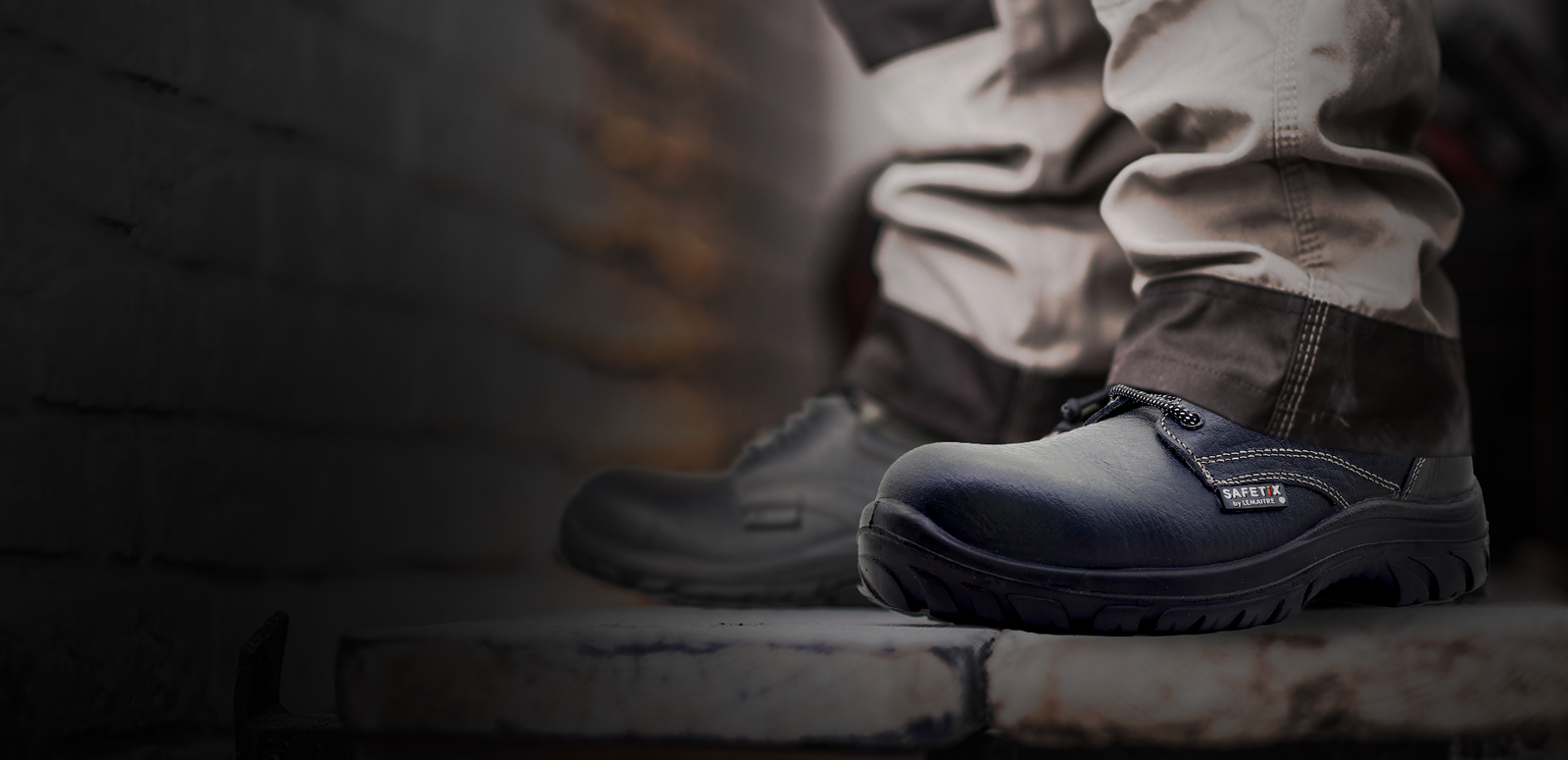
Every step a worker takes on concrete sends a shock wave through the heel, up the tibia and into the lower back. Over a ten-hour shift on a hard floor, that is tens of thousands of impacts. Conventional foam midsoles absorb some of it, then compress permanently and stop absorbing anything.
How PSD works
The Positive Shock Device is a structured insert in the heel that deforms elastically under load and returns to shape. Instead of simply compressing, it redirects impact energy laterally through the midsole, spreading the load across a wider area of the footbed.
What the testing shows
In laboratory impact testing the construction consistently exceeds the energy absorption requirement in the footwear standard, and — more importantly — retains that performance after extended flex cycling. A midsole that performs well on day one and poorly on day ninety is not a solution.
Durability of protection matters more than peak protection. Workers wear boots for months, not for one lab test.
Who benefits most
- Warehouse and logistics staff covering long distances on concrete
- Assembly line operators who stand in one position for extended periods
- Anyone reporting persistent heel, knee or lower back fatigue
Fatigue reduction is not a comfort nicety. Tired workers make more errors, and error rates track injury rates closely.