Cut level is not a ranking
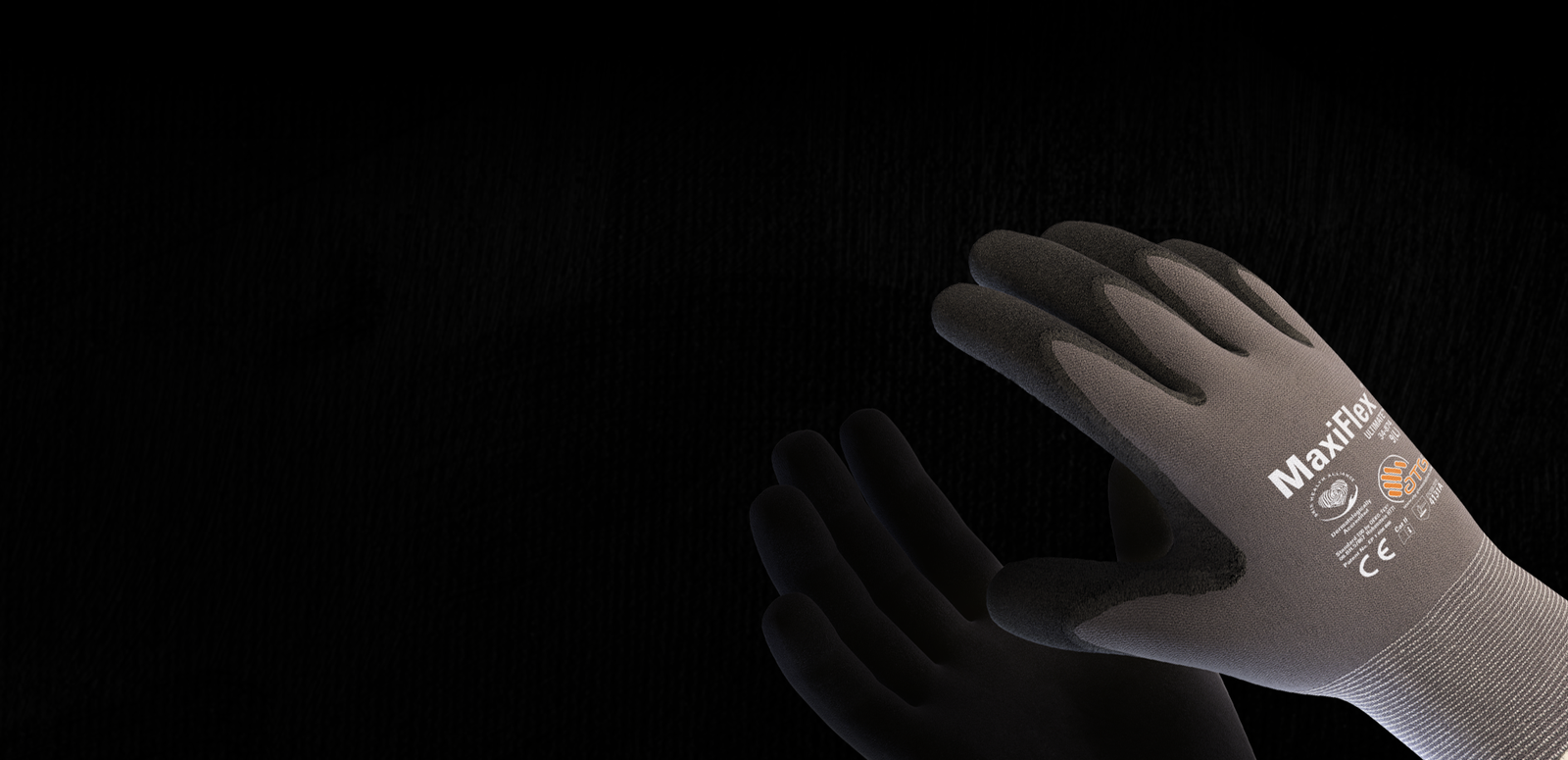
It is tempting to treat cut resistance as a single ladder and simply buy the highest number available. In practice a level-F glove that is too stiff for fine assembly work gets removed the moment a fiddly task appears, and the hand is then completely unprotected.
The four axes that matter
- Cut and abrasion — matched to the sharpest edge actually handled
- Grip — dry, oily and wet grip are genuinely different problems with different coatings
- Dexterity — can the wearer pick up a washer without removing the glove?
- Chemical permeation — breakthrough time against the specific chemical, not a general rating
Permeation is time-based
A common and costly misreading: chemical gloves are rated by breakthrough time, not by pass or fail. A glove rated for thirty minutes against a solvent is unsafe for a two-hour task, no matter how highly it scores elsewhere.
Fit drives compliance
Stock at least three sizes on every line. Gloves that are too large snag in machinery and destroy dexterity; gloves that are too small fatigue the hand and get abandoned by lunchtime.
The best glove on site is the one your team reaches for without being reminded.
Inspect and retire
Set a visual inspection point at the start of each shift. Cuts, chemical hardening, coating loss and pinholes all mean immediate retirement — a damaged chemical glove is more dangerous than no glove, because it holds contaminant against the skin.