Comfort is a compliance control
Protective workwear is worn for entire shifts in conditions that are frequently hot, humid or physically demanding. Garments that trap heat get unzipped, rolled up and left open — and a garment worn open provides a fraction of its rated protection.
Flame resistance: inherent or treated
Inherently flame-resistant fibres keep their properties for the life of the garment. Treated fabrics rely on a chemical finish that degrades with industrial laundering. Both are legitimate; only one survives fifty wash cycles without retesting.
High-visibility classes
- Class 1 — lowest background material area, limited-risk environments
- Class 2 — intermediate; typical for yard and roadside work
- Class 3 — highest visibility; required near high-speed traffic and heavy plant
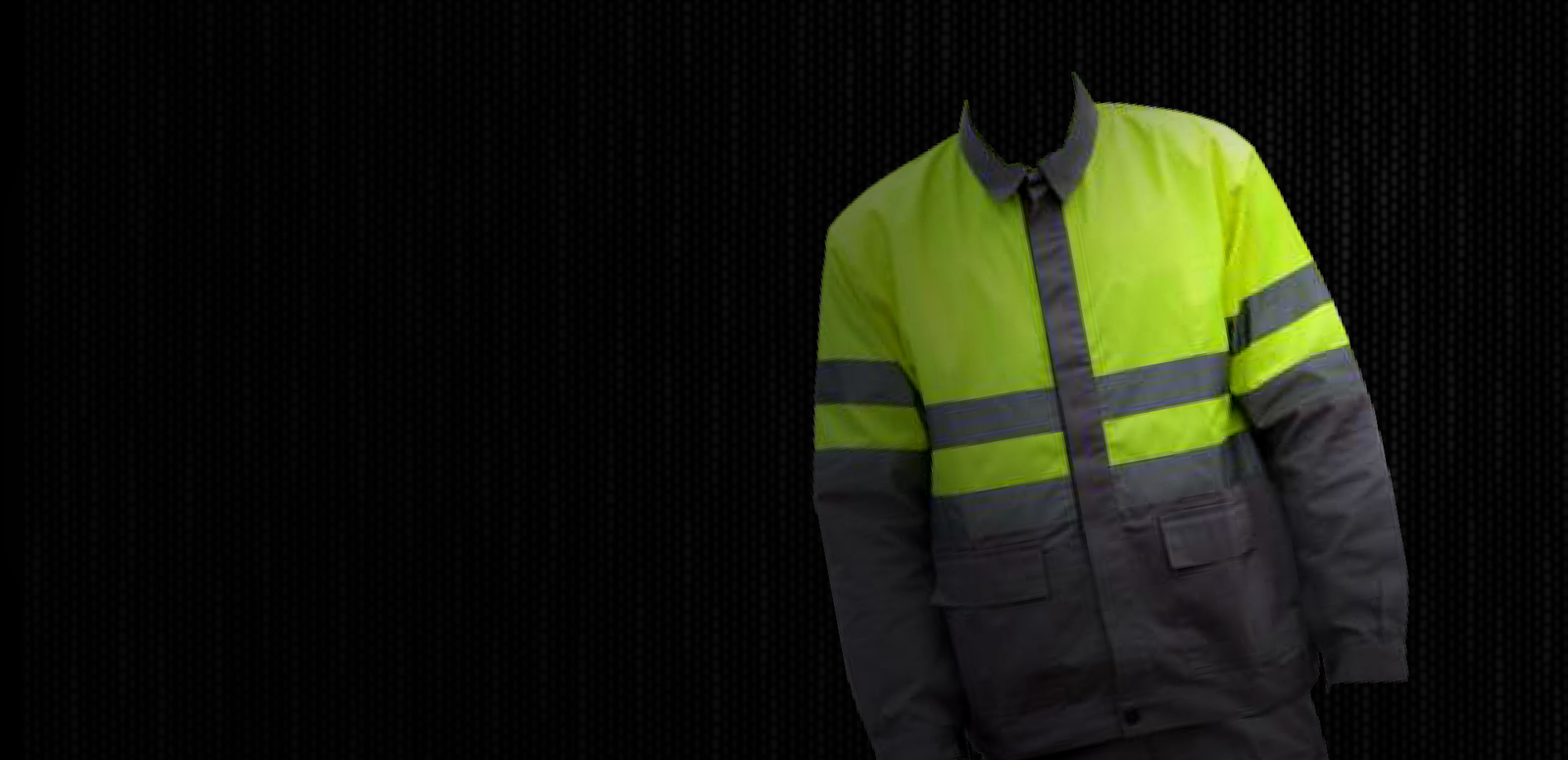
Class is determined by the area of fluorescent and retroreflective material, which means a garment worn open may drop below its rated class.
Fit affects protection
Garments that are too tight pull FR fabric against the skin and reduce the insulating air gap. Too loose, and there is a snagging hazard around rotating machinery. Both extremes are safety issues, not comfort preferences.
Specify a size range wide enough that nobody is wearing the closest available size rather than the right one.
Laundering is part of the specification
Write wash temperature, cycle count and detergent restrictions into the PPE specification. A correct garment laundered incorrectly is not a correct garment.