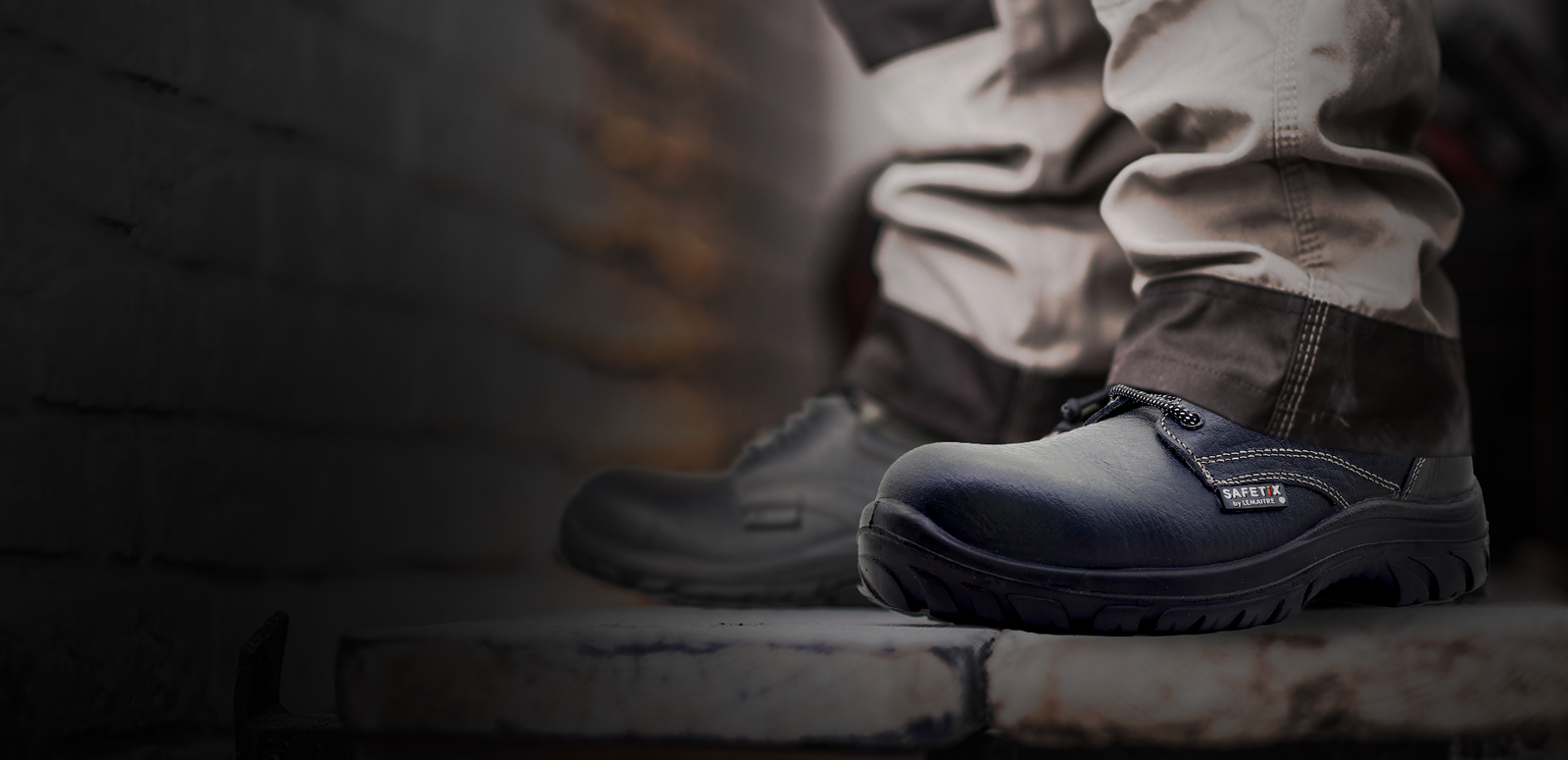
Protection is non-negotiable
Any sustainability conversation about PPE has to start here: the product must still protect. A lower-footprint boot that fails an impact test is not a sustainable product, it is a hazard with good marketing.
Where the footprint actually sits
For most protective footwear the carbon footprint concentrates in three places: raw material production, solvent-based adhesives, and premature replacement. The third is the one most under a safety manager's control.
Doubling service life halves the footprint per year of protection. Durability is the most underrated sustainability lever in PPE.
Material substitutions that hold up
- Recycled polyester in linings and uppers, where abrasion requirements allow
- Water-based adhesives replacing solvent bonding in sole attachment
- Bio-based and recycled-content polyurethane midsoles
- Chrome-free tanning for leather components
Ask suppliers the harder questions
Recycled content percentage by weight, verified by whom? Which components, not which product line? Is there an end-of-life take-back route? Vague claims usually mean vague practice.
Specify for longevity
The cheapest sustainability intervention available to any site is buying kit that lasts twice as long and fits well enough to be worn until it genuinely wears out.