The shell is the least interesting part
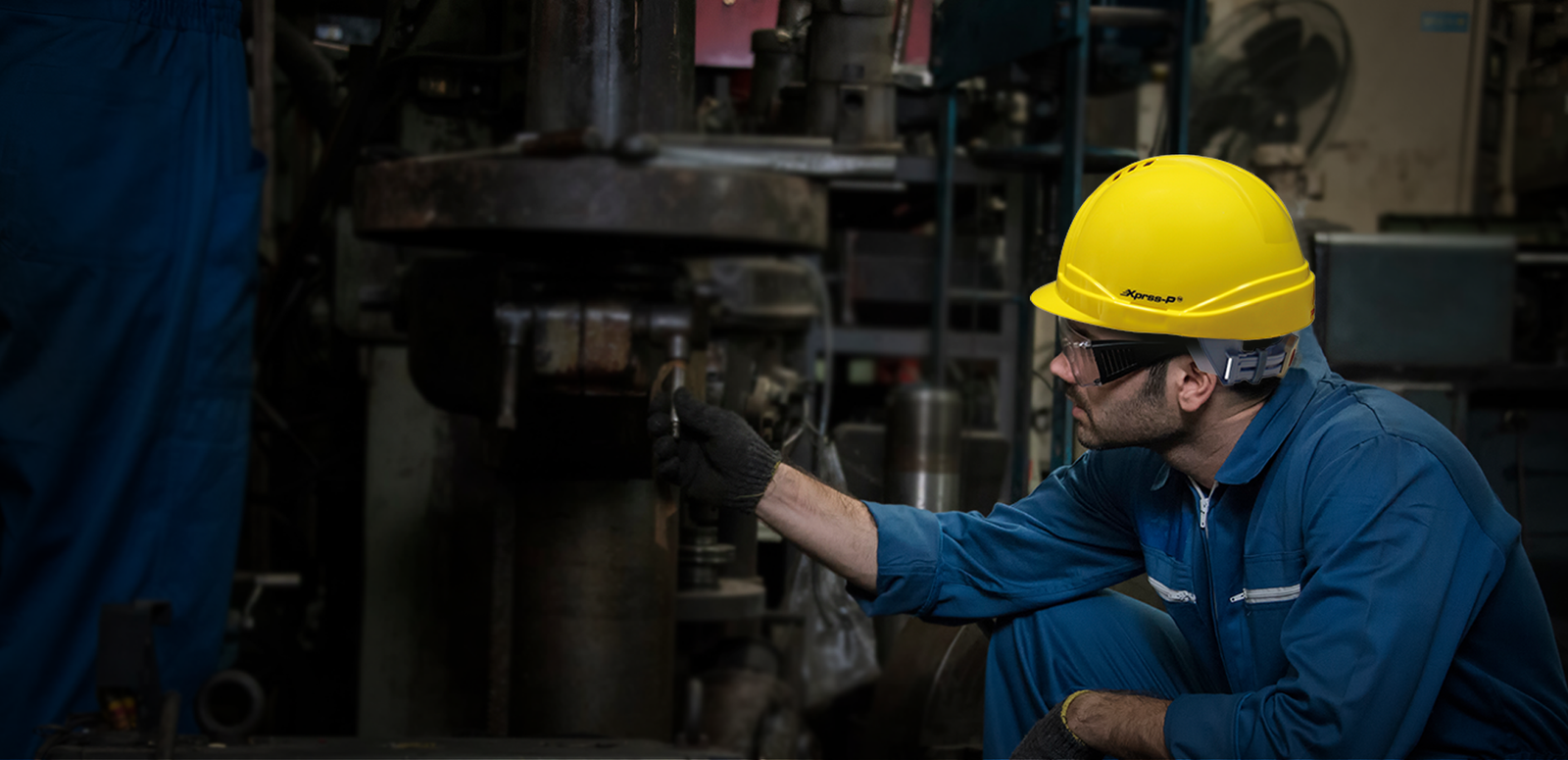
Most people evaluate a helmet by its shell. In practice the suspension harness does the protective work, converting a point impact into a distributed load and holding a standoff gap between shell and skull.
Chin straps are not optional at height
A helmet that leaves the head before the impact protects nothing. Any work at height, in confined space, or around moving vehicles should mandate a retention system tested for the application.
Electrical classes matter
- Class G — general, tested to 2,200 V
- Class E — electrical, tested to 20,000 V
- Class C — conductive; ventilated and offering no electrical protection at all
Ventilated helmets are more comfortable in heat, which improves compliance — but never specify them for electrical work.
Helmets expire
UV exposure embrittles the shell long before damage becomes visible. Check the manufacture date stamp, replace on the stated schedule, and retire immediately after any significant impact even if the shell looks intact.
A helmet that has taken one serious impact has already done its job. It will not do it twice.
Accessories change the rating
Bolt-on visors, ear defenders and lamp brackets can invalidate certification if they are not tested with that specific shell. Specify helmet and accessories as a system, from one certified range.