Engineering controls come first
PPE sits at the bottom of the hierarchy of controls for good reason. Before specifying eyewear, ask whether the hazard can be enclosed, extracted or removed. Machine guards, splash screens and local exhaust ventilation prevent exposure rather than mitigating it.
Assess the hazard type
Eye hazards fall into distinct families, and the protection for one is often inadequate for another:
- Impact — flying particles from grinding, chipping, machining
- Splash — chemicals, molten metal, biological material
- Radiation — welding arc, UV, infrared, laser
- Dust — fine particulate requiring a sealed fit
Spectacles, goggles or face shield?
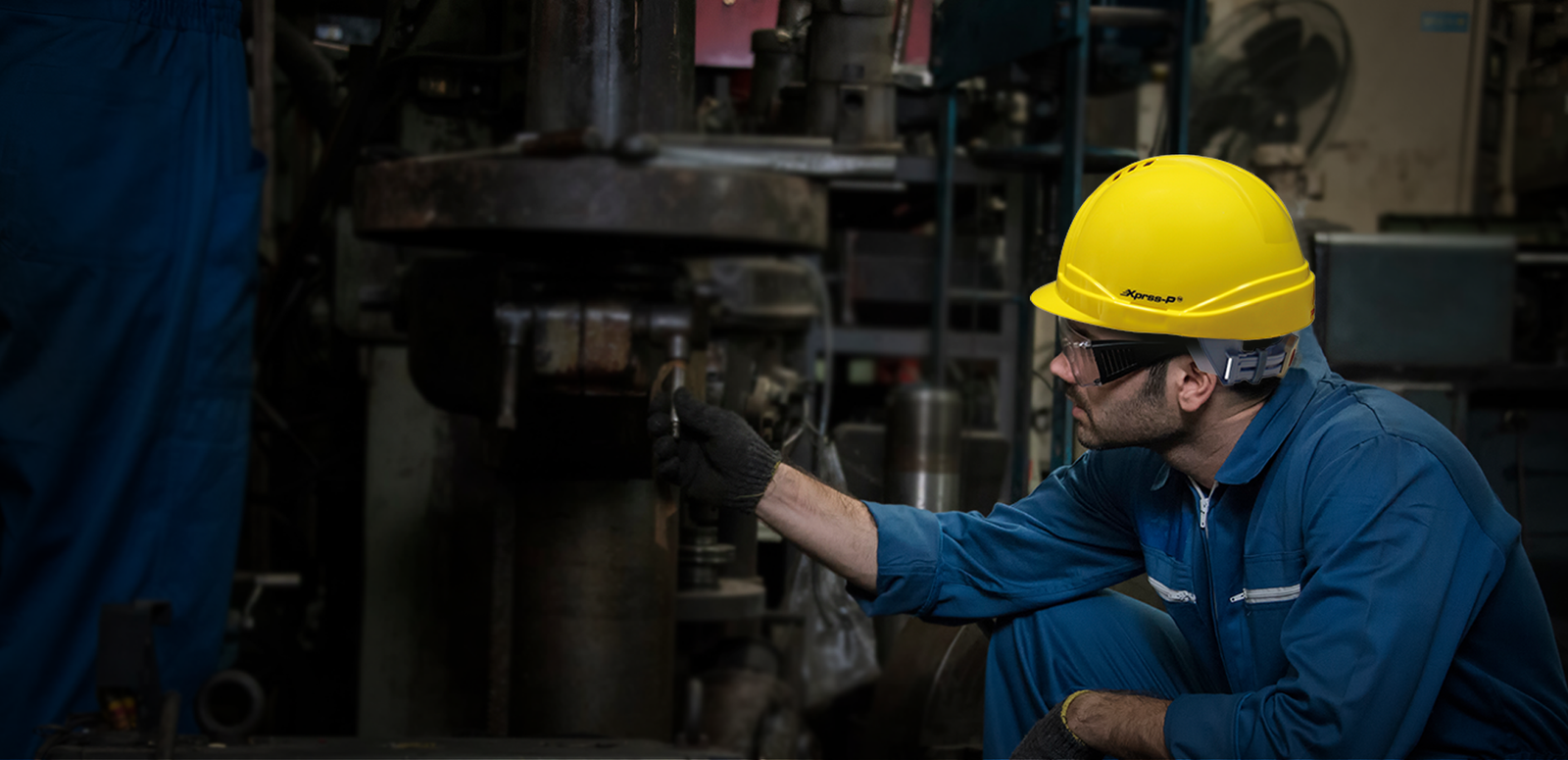
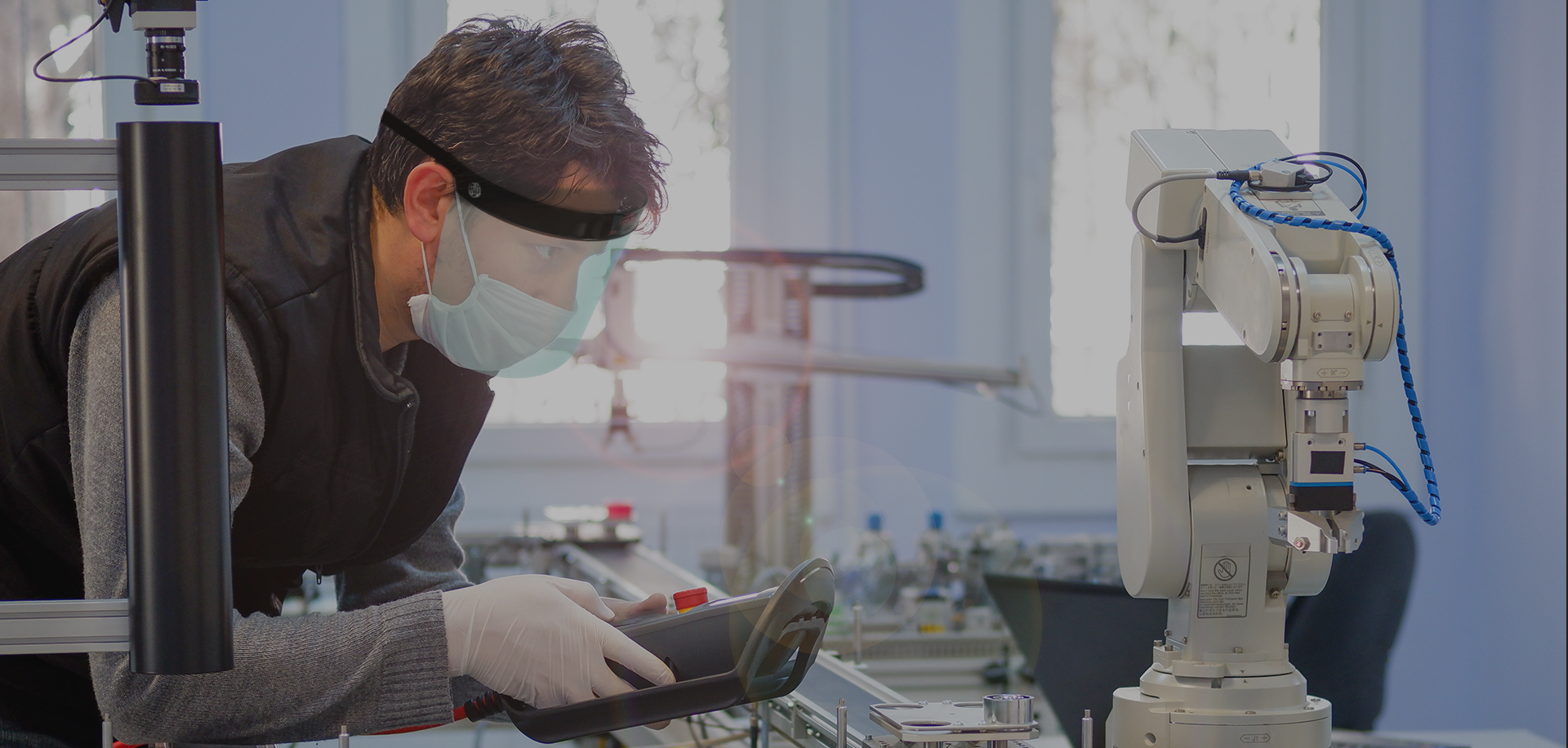
Safety spectacles handle frontal impact but leave gaps at the sides and below. Goggles seal against dust and splash. A face shield protects the whole face but must be worn over primary eye protection, never instead of it.
A face shield alone is secondary protection. It never replaces spectacles or goggles underneath.
Prescription wearers need a plan
Over-spectacles and prescription safety eyewear both work, but only if procured deliberately. Workers who wear personal glasses under ill-fitting over-specs will quietly stop wearing the protection.
Fog is a safety problem
Fogged lenses get lifted, and lifted eyewear is no eyewear. Specify anti-fog coatings for humid or temperature-cycled environments and treat persistent fogging complaints as a genuine safety finding.