Cold changes the hazard profile
Standard PPE selection logic assumes an ambient environment. At minus twenty-five degrees, materials stiffen, dexterity collapses, and the dominant risk shifts from impact to cold stress and the errors that come with it.
Layer, do not bulk
A single thick garment traps moisture and cannot be adjusted when a worker moves between the freezer and the loading bay. Three thinner layers — wicking base, insulating mid, protective shell — outperform one heavy coat and allow adjustment at the transition.
Feet and hands fail first
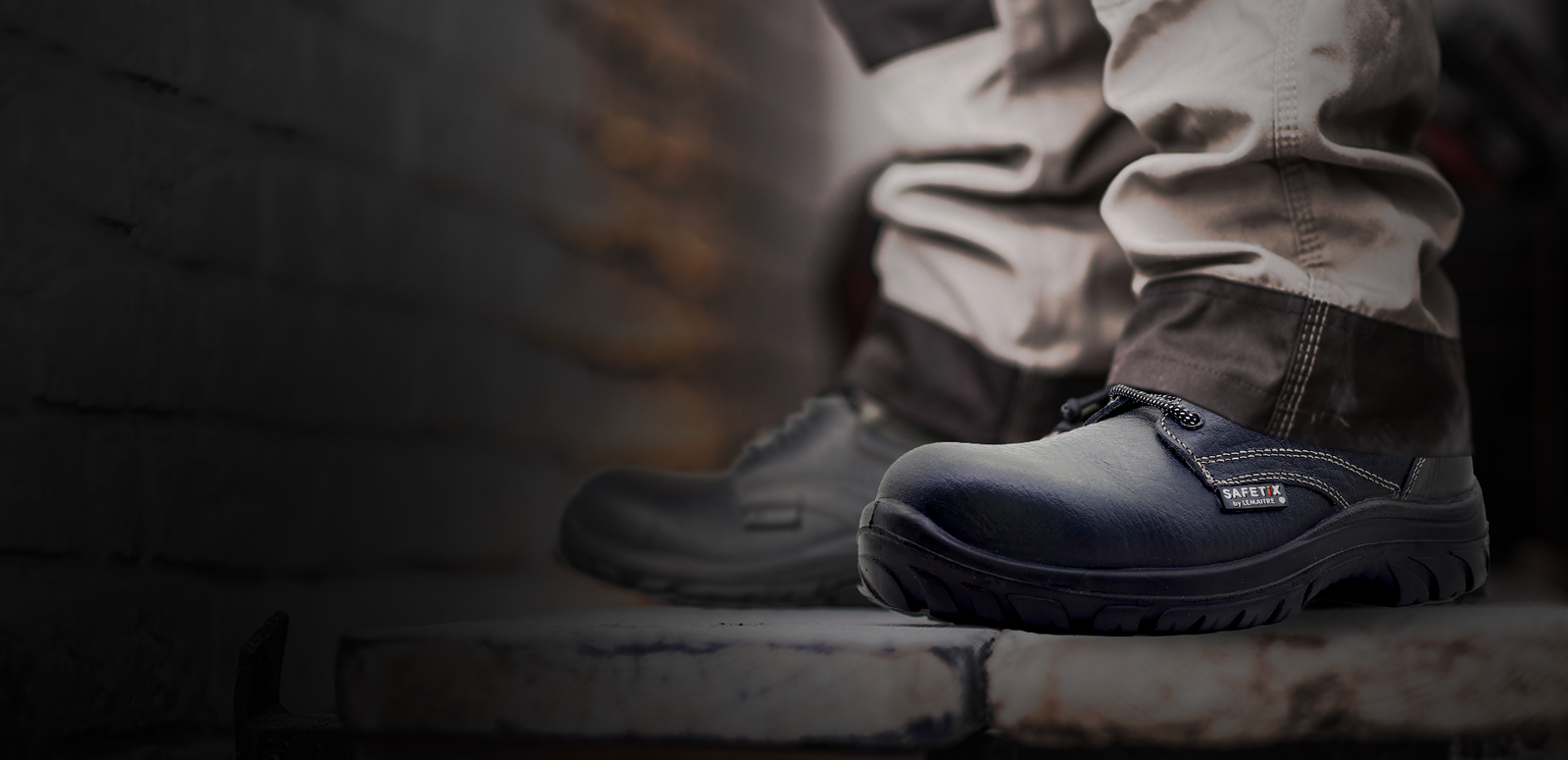
- Insulated footwear rated for the actual temperature, not merely "winter"
- Outsole compounds that stay flexible when cold — many harden and lose grip
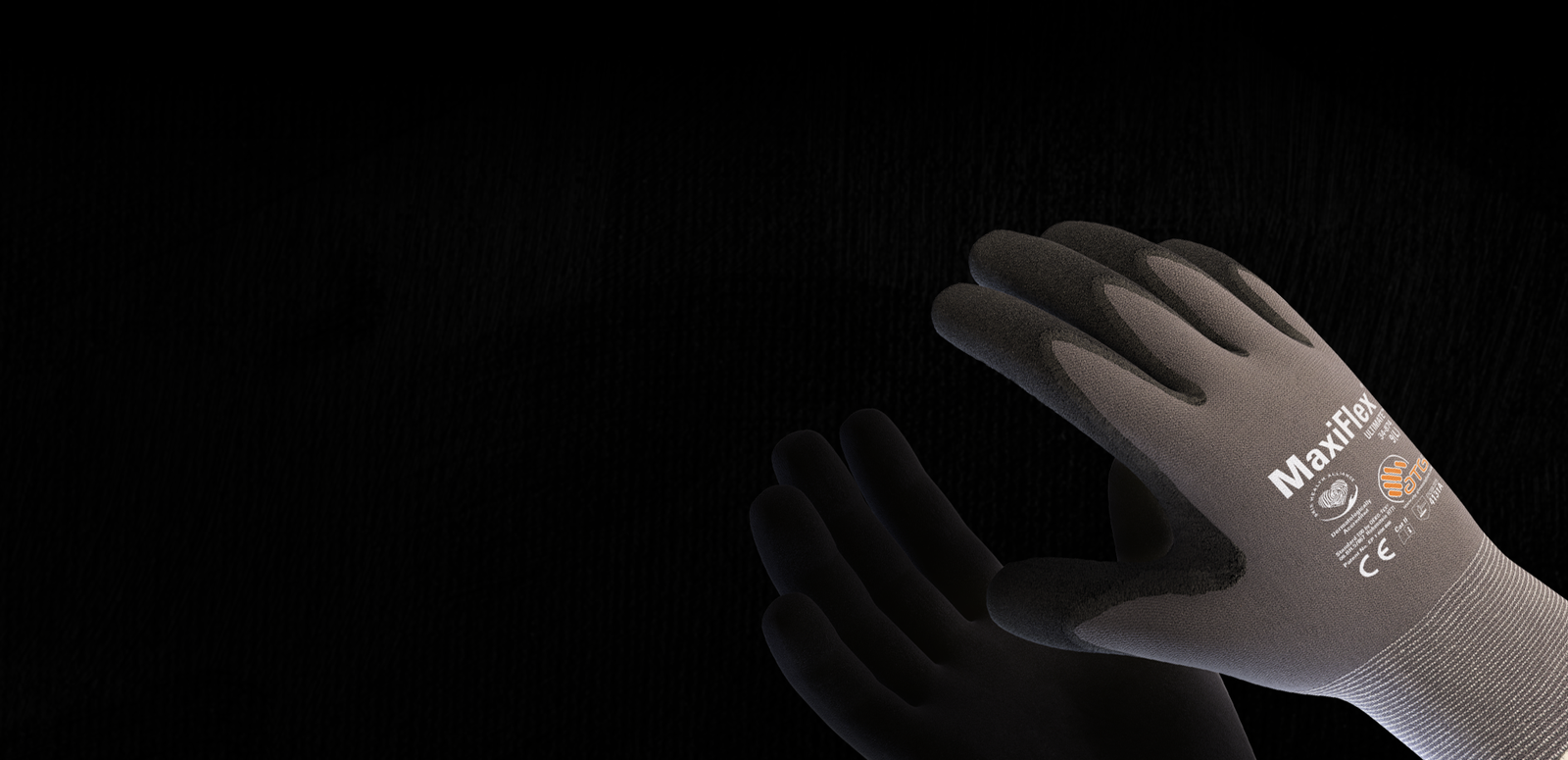
- Gloves balancing insulation against the dexterity to operate a scanner
- Spare dry gloves available at point of use; wet insulation is no insulation
Condensation is a slip hazard
Moving between cold and warm zones condenses moisture on floors and on eyewear. Anti-fog lenses stop being a comfort item and become a control, and floor transitions need dedicated slip management.
Manage the doorway. Most cold-store slips happen within a few metres of a temperature transition.
Rotate before people get cold
Exposure limits and warming breaks belong in the shift plan, not in a worker's judgement. Cold degrades decision-making before it produces any obvious symptom.